Haringey Council upholstery disposal rules for cleaning firms: a practical guide for compliant, tidy, and trustworthy waste handling
If you run a cleaning company in North London, upholstery disposal can feel like a small operational detail that turns into a big headache the minute a customer asks, "Can you take this away too?" The short answer is yes, sometimes - but the real answer depends on how the item is classed, where it goes, and how carefully you separate cleaning from disposal. Understanding Haringey Council upholstery disposal rules for cleaning firms helps you avoid fly-tipping risk, keep clients happy, and keep your business looking professional from the first site visit to the final sweep-up.
This guide breaks the subject down in plain English. We will look at what counts as upholstery waste, how collection and disposal usually work in practice, what cleaning firms should do before removing items, and where the common traps are. If you also need to reassure customers about broader service standards, it can help to review your own health and safety policy and make sure your team understands how waste handling fits into everyday work.
One thing that surprises a lot of firms: upholstery disposal is not just a "load it and go" job. A damaged sofa, a waterlogged armchair, or a mattress with heavy contamination may all need different handling. And yes, the paperwork matters more than people think. Not glamorous, I know, but it keeps everybody out of trouble.
Table of Contents
- Why Haringey Council upholstery disposal rules for cleaning firms matter
- How the process works in practice
- Key benefits and practical advantages
- Who this is for and when it makes sense
- Step-by-step guidance
- Expert tips for better results
- Common mistakes to avoid
- Tools, resources and recommendations
- Law, compliance, standards, and best practice
- Options and comparison table
- Case study or real-world example
- Practical checklist
- Conclusion
- Frequently asked questions
Why Haringey Council upholstery disposal rules for cleaning firms Matter
For a cleaning firm, upholstery disposal sits right where customer service, environmental responsibility, and legal compliance meet. That means the standard is higher than many people expect. A client may only see an old sofa leaving their flat, but behind that moment there are practical questions about access, lifting, transport, waste classification, and whether the item belongs in reuse, recycling, or disposal.
In Haringey, as in most London boroughs, the council's expectations around waste management are shaped by a wider UK framework. The exact local collection route may vary depending on whether you are dealing with domestic waste from a household client, commercial waste from a business, or bulky waste that needs special handling. For cleaning firms, the point is simple: you need a repeatable process, not a guess-and-hope approach.
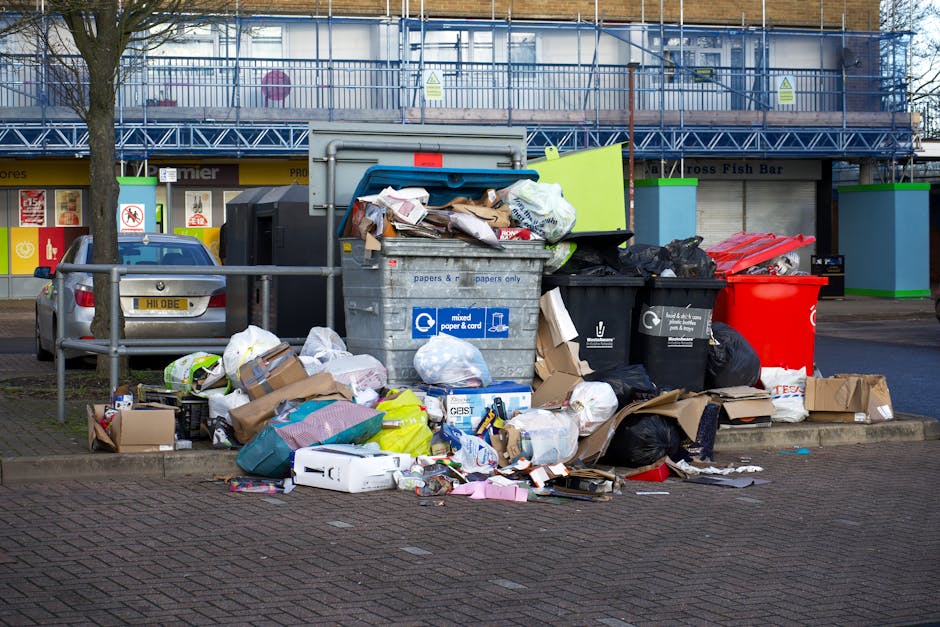
Why does this matter so much? Because the risks are practical and immediate. A sofa left on a pavement "for later" can be treated as abandoned waste. A bagged cushion with damp upholstery foam can smell bad within hours. And if a job goes wrong, the customer usually blames the cleaning company first, not the logistics plan. Fair enough, really.
It also affects your brand. The firms that handle disposal neatly, document what they removed, and explain the process clearly often look more reliable than the cheapest quote in town. If you already position yourself as a professional provider, your about us story and your service pages should match that standard in the real world, not just on the website.
Expert summary: The smartest cleaning firms treat upholstery disposal as part of service quality, not as an afterthought. The goal is to remove waste safely, classify it correctly, and leave no doubt about who is responsible at each stage.
How Haringey Council upholstery disposal rules for cleaning firms Works
Think of upholstery disposal as a chain of decisions. First, you identify the item. Then you decide whether it can be cleaned, reused, repaired, recycled, or disposed of. After that, you choose the right collection method and make sure the item does not become someone else's problem halfway through the job.
In practice, a typical workflow looks like this:
- Assess the item on site. Is it a sofa, armchair, footstool, rug pad, loose cushion, or something bulkier like a mattress topper?
- Check contamination. Look for bodily fluids, mould, pest activity, heavy pet staining, or chemical contamination.
- Confirm ownership and instruction. Make sure the customer has authorised removal and understands the cost and outcome.
- Decide the route. Reuse, donation, recycling, licensed disposal, or specialist handling.
- Package and move safely. Use suitable lifting methods, protect common areas, and avoid damage on stairs, lifts, or door frames.
- Record what was removed. Keep a simple log, job note, or waste transfer record where appropriate.
The main thing to understand is that upholstery is not always just "general waste." Some items may contain wood, metal springs, foam, fabric, tack strips, zips, or treated materials. That mix can affect whether parts can be separated for recycling or whether the item must be treated as residual waste. Sometimes a piece looks straightforward and then you discover the frame is waterlogged or the base is broken. Messy, but common.
If your team also handles related textile work, the same mindset helps across other jobs too. For example, methods used in sofa cleaning or upholstery cleaning often reveal whether an item is still salvageable. That assessment can save a customer money and reduce unnecessary waste. On the other hand, when the item is beyond saving, you need a clean exit strategy.
For commercial clients, the process may be even more structured. Offices, hospitality venues, letting agents, and managed properties often need removal timed around access windows, tenant moves, or refurbishment schedules. If that sounds familiar, commercial carpet cleaning customers often have the same coordination issues, so the discipline carries over nicely.
Key Benefits and Practical Advantages
Following the right disposal route is not just about avoiding trouble. It creates genuine operational benefits for cleaning firms, especially in a busy area like Haringey where parking, access, and time can already be tight.
- Less risk of complaint: Clear disposal processes reduce disputes about what was taken and where it went.
- Better customer trust: Clients are more comfortable hiring a firm that explains waste handling clearly.
- Cleaner site handover: Nobody wants to finish a job and leave behind fibres, fragments, or a sour smell.
- Improved staff safety: Proper lifting and packaging reduce the chance of strains, cuts, and slips.
- More efficient jobs: A team that knows the disposal route can plan van space and labour more accurately.
- Lower environmental impact: Where possible, items can be redirected away from landfill or unnecessary disposal.
There is also a commercial angle. Clients comparing quotes often ask who is responsible for removal, whether the firm is insured, and what happens if an item cannot be cleaned. That is where a transparent approach helps. Your pricing, quote wording, and service limits should be easy to understand, and your pricing and quotes page should reflect the real work involved rather than hiding disposal costs until the end.
Another practical benefit: fewer awkward moments at the kerbside. Let's face it, a cleaner trying to squeeze a torn armchair into a van while a neighbour watches from the window is not the image most firms want. A better system avoids that scene altogether.
Who This Is For and When It Makes Sense
This topic matters to several types of cleaning businesses, not only upholstery specialists.
- Residential cleaners handling end-of-tenancy or deep-clean jobs with damaged furniture.
- Upholstery and sofa cleaning firms that frequently discover items are beyond practical repair.
- Commercial cleaning teams working in offices, hospitality spaces, schools, or managed buildings.
- Reinstatement and refurbishment contractors who need waste cleared at the end of a project.
- Property managers and letting agents coordinating clear-outs after tenants move on.
It makes sense to have a disposal process in place when you regularly face one of these situations:
- a sofa is too damaged to clean safely;
- an upholstered chair has extensive mould or biological contamination;
- a client has asked for removal after a fire, flood, or pest issue;
- the item is too bulky for ordinary waste bins;
- you need to separate salvageable material from waste;
- you want to avoid ad hoc decisions by staff on site.
Sometimes a firm only needs this guidance once in a while. That is exactly when mistakes happen, because the team is improvising. If you are already dealing with odour-heavy jobs or pet damage, it is worth looking at related service details such as pet stain and odour removal and stain removal so you can decide more confidently whether an item is worth saving before it heads to disposal.
Step-by-Step Guidance
Here is a practical process cleaning firms can use for upholstery disposal in Haringey without making it harder than it needs to be.
1. Identify the item and its condition
Start with the basics. What is it made of? Is it fabric, leather, mixed material, or a combination with timber and metal? Is it dry, damp, infested, or structurally broken? A quick but careful inspection saves time later.
2. Ask whether the item is truly waste
Some clients assume a damaged chair must go straight out. Not always. A frame may still be repairable, a cushion can sometimes be re-covered, and a rug or loose fabric component may be reusable. For fabric-heavy items, it often helps to compare the item with your usual rug cleaning or upholstery standards before agreeing to disposal.
3. Confirm the customer's instruction
Do not remove anything unless the customer has made the instruction clear. In a shared building, that matters even more. A neat note in the job record can prevent a lot of back-and-forth later.
4. Separate cleaning work from disposal work
Cleaning and disposal may happen on the same visit, but they are not the same task. If the item can still be cleaned, finish that process properly. If not, do not half-clean it and leave it in the hallway. That rarely ends well.
5. Protect the property during movement
Use covers, controlled lifting, and a sensible exit route. Think about corners, stairs, lift dimensions, and common areas. A wet or dirty item moved badly can leave marks that cost more than the job did in the first place.
6. Use the correct waste route
Depending on the item and the source of waste, this may involve a general waste stream, a specialist waste contractor, or another authorised disposal route. If the item is part of a commercial clear-out, keep records that show what was taken and when.
7. Clean the work area and confirm handover
Once the item is gone, inspect the space. Look for fibres, screws, staples, drips, or any trace of contamination. Then confirm with the client that the job is complete. A calm handover matters more than people think.
If you want to present a more rounded service to clients, this is also where related offerings like curtain cleaning and mattress cleaning can fit into a broader soft-furnishings care conversation. The point is to help the customer make the right decision, not to push every item toward disposal.
Expert Tips for Better Results
After enough site visits, you start noticing the same patterns. A few practical habits make upholstery disposal much smoother.
- Standardise the decision tree. Staff should know exactly when an item can be cleaned, repaired, reused, or disposed of.
- Take a quick photo before removal. This is especially useful if the item is damaged, stained, or unusually bulky.
- Keep a simple disposal note. Date, address, item type, and reason for removal are usually enough for day-to-day clarity.
- Train teams on lifting and access. A badly handled sofa can damage walls, banisters, and tempers. Mostly tempers.
- Budget for the extra minutes. Disposal always takes longer than people think, especially in older Haringey buildings with narrow staircases and tight hallways.
- Build recycling thinking into the job. Even if the final outcome is disposal, it is worth checking whether parts can be separated first.
One small but important point: communicate the difference between "removal" and "responsible disposal." Customers may use those words interchangeably, but they are not the same. If you only mean that you will carry an item to the kerb, say so. If you are taking responsibility for the full disposal route, say that clearly too.
To support that level of clarity, firms often improve their trust pages as well. A visible insurance and safety page can help reassure clients that the business is thinking beyond the van and the vacuum.
Common Mistakes to Avoid
A lot of disposal problems are preventable. They usually come from rushing, assuming, or failing to document the job properly.
- Leaving the client uncertain about responsibility. If you are taking away an item, say exactly what happens next.
- Mixing contaminated upholstery with normal waste. This can create hygiene issues and make disposal harder to manage.
- Removing items without permission. Never assume "they probably want it gone" is good enough.
- Underestimating access issues. What looks manageable in an empty room can become a problem in a narrow stairwell.
- Ignoring records. A missing note today becomes a disagreement tomorrow.
- Promising recycling when it may not be possible. Be honest. Customers usually respect honesty more than optimism that turns into a headache.
Another common mistake is trying to do too much on the same visit. If a sofa needs deep cleaning, odour treatment, stain work, and possible disposal, slow down and decide in the right order. Some jobs are straightforward; others are not, and that is okay. The messy ones are the ones that need a bit more care.
Tools, Resources and Recommendations
You do not need a huge toolkit to manage upholstery disposal well, but you do need the right basics.
- Heavy-duty gloves for handling worn, damp, or sharp-edged items.
- Protective covers or wraps to limit contamination during movement.
- Straps and trolleys for safe handling where appropriate.
- Disposable cloths and cleaning wipes for post-removal wipe-downs.
- Simple job logs for recording the item, condition, and disposal instruction.
- Clear internal procedures so every team member follows the same steps.
From a customer-facing perspective, you can reduce friction by making your website and policies easy to navigate. Pages like terms and conditions, privacy policy, and recycling and sustainability can help explain how your business works and how you think about responsible waste handling.
And if a customer is asking for a quote before booking, direct them to your standard quote process rather than trying to improvise a price on the doorstep. A structured quoting workflow is simply better. Less awkward, too.
Law, Compliance, Standards, or Best Practice
Without turning this into a legal lecture, the safe assumption is that cleaning firms should treat upholstery disposal as part of waste management, not just housekeeping. In the UK, businesses have duties around responsible waste handling, and local council expectations sit within that wider framework. That means you should avoid abandoning waste, avoid passing undocumented waste problems to someone else, and avoid making up your own disposal rules on the fly.
For practical compliance, a few principles matter most:
- Know whether the waste is domestic or commercial. That affects how it should be handled.
- Separate special cases. Contaminated items, heavy soiling, or pest-related waste may need extra care.
- Keep basic evidence of responsible disposal. Simple records are often enough for routine jobs.
- Train staff consistently. A policy nobody follows is just decoration.
- Work within your insurance and health and safety procedures. Waste handling is part of the job risk profile.
Best practice also means being careful with claims. If your team can collect and dispose of upholstery, say so only if that is genuinely true for the job type. If not, be precise. Customers do not like vague promises, and regulators dislike sloppy operations even more.
For firms that want a more robust service culture, a written approach to complaints can help too. Not because you expect problems, but because good businesses plan for the odd snag. A clear complaints procedure shows the customer there is a path forward if something goes wrong.
Options, Methods, or Comparison Table
Here is a straightforward comparison of the main routes a cleaning firm may use when dealing with unwanted upholstery.
| Option | Best for | Advantages | Watch-outs |
|---|---|---|---|
| Clean and retain | Items that are dirty but structurally sound | Cheaper for the customer, less waste | Not suitable if the item is mouldy, damaged, or unsafe |
| Repair or re-cover | Frames and fabrics with limited wear | Extends product life, improves value | Requires time, skill, and customer approval |
| Reuse or donate | Usable items in good condition | Environmentally responsible, often appreciated by clients | Must still meet hygiene and condition expectations |
| Recycling route | Items with recoverable components | Better than full disposal where available | Not every upholstery item is easy to recycle |
| Licensed disposal | Contaminated, broken, or end-of-life items | Clear and definitive | Requires proper handling and records |
In reality, many jobs move through two or more of these paths. A chair might be assessed for cleaning, rejected because of deep contamination, and then removed for responsible disposal. That is normal. The key is to choose the route deliberately rather than by habit.
Case Study or Real-World Example
Here is a realistic example from the kind of work a local cleaning firm might handle on an ordinary Tuesday afternoon.
A customer in a Haringey flat books an upholstery clean for a two-seat sofa and a fabric armchair. During inspection, the sofa responds well to pre-treatment, but the armchair has water damage around the base, a strong damp smell, and visible mould staining on the underside. The customer initially hopes both items can be saved. Understandably so.
The cleaner explains the difference between cosmetic staining and structural contamination. The sofa can be cleaned and retained. The armchair, however, is unlikely to recover to a safe and acceptable standard. The firm records the condition, gets clear customer permission to remove the chair, protects the hallway during moving, and confirms the disposal route in the job note.
The result? The customer keeps the sofa, the unsuitable item is removed without drama, and the property is left tidy. No surprises, no grumbling from neighbours, no mystery pile by the bins. Simple, but effective.
This is also where service breadth matters. If the firm had only one narrow process for everything, the job would be clumsy. Because the team understands related services such as steam carpet cleaning and broader carpet cleaning, they can give better advice about what is worth salvaging and what is not.
Practical Checklist
Use this checklist before removing or disposing of any upholstered item for a client in Haringey.
- Have I inspected the item and identified what it is made of?
- Have I checked for contamination, mould, pests, odour, or water damage?
- Has the customer clearly authorised removal?
- Do I know whether this is domestic or commercial waste?
- Have I decided whether the item can be cleaned, repaired, reused, or disposed of?
- Have I protected the route through the property?
- Do I have the right lifting tools and enough staff?
- Have I recorded the item and the reason for disposal?
- Is the disposal route appropriate for the type of waste?
- Have I confirmed the handover and left the area tidy?
If you can answer yes to those questions, you are in a much better place than the average rushed job. And to be fair, that already puts you ahead of a lot of firms that rely on memory and good luck.
Conclusion
Haringey Council upholstery disposal rules for cleaning firms are really about doing the sensible thing properly: identify the item, decide the right outcome, move it safely, and dispose of it with the right level of care. That approach protects your business, reassures your customers, and keeps the work looking professional even when the item itself is beyond saving.
When you build disposal into your standard process, not just into the awkward jobs, everything gets easier. Quotes are clearer, staff are more confident, and customers know they are dealing with a firm that pays attention to the small stuff. And in this line of work, the small stuff is often the thing that decides whether a job feels smooth or messy.
Get a free quote today and see how much you can save.
For businesses that want to present a more complete and trustworthy service, a well-planned approach to waste handling is one of those quiet details that says a lot. It is not flashy. But it matters. A lot.
Frequently Asked Questions
Can a cleaning firm in Haringey remove a sofa after cleaning it?
Yes, if the customer has requested removal and your business offers that service. The important part is making sure the sofa is handled safely, documented properly, and sent to the correct disposal route.
Is upholstery always classed as general waste?
No. Upholstery can contain mixed materials and may be contaminated, damaged, or unsuitable for normal waste handling. The correct route depends on the condition of the item and whether it comes from domestic or commercial premises.
What should I do with a mouldy armchair?
A mouldy armchair should be assessed carefully. If the contamination is widespread or the structure is compromised, disposal may be the safest option. Do not keep it in circulation or store it inside the property after the job.
Do I need customer permission before taking upholstery away?
Yes. Always get clear instruction before removing an item. That avoids disputes and helps prove that the disposal was authorised.
Can upholstery be recycled?
Sometimes parts of it can. Frames, metal components, and some fabrics may be recoverable depending on the item and the local disposal route. Not every piece is easy to recycle, so it is best to assess each case individually.
What records should a cleaning firm keep?
At minimum, keep the date, customer address, item description, condition, and the reason for removal. For more formal commercial jobs, keep whatever waste documentation your process requires.
How do I price upholstery removal?
Price it based on labour, access, van space, disposal route, and any special handling needed. It is better to be transparent upfront than to surprise the customer later with an extra charge.
What if the item is too large for the staircase?
Stop and reassess. Use the safest available route, check whether the item can be broken down, and do not force it through. Damaging the property is a much worse problem than delaying the removal by ten minutes.
Does upholstery disposal affect insurance or liability?
It can. Any item removal involves physical handling, property access, and possible damage risk. Make sure your staff understand your safety procedures and that your insurance arrangements match the work you do.
Should I include disposal in my upholstery cleaning service page?
Only if you genuinely offer it. If you do, explain the limits clearly. Many customers appreciate knowing whether an item can be cleaned, repaired, or removed in one visit.
What is the biggest mistake cleaning firms make with disposal?
The biggest mistake is assuming the process is obvious. It rarely is. Once you start dealing with contamination, access problems, and customer expectations, the details matter very quickly.
Where can I learn more about the firm's wider service standards?
It helps to review your own service pages and policies, including recycling and sustainability, insurance and safety, and contact us so customers know how to reach you and what to expect.