Emergency water damage cleaning Northumberland Park N17 Haringey
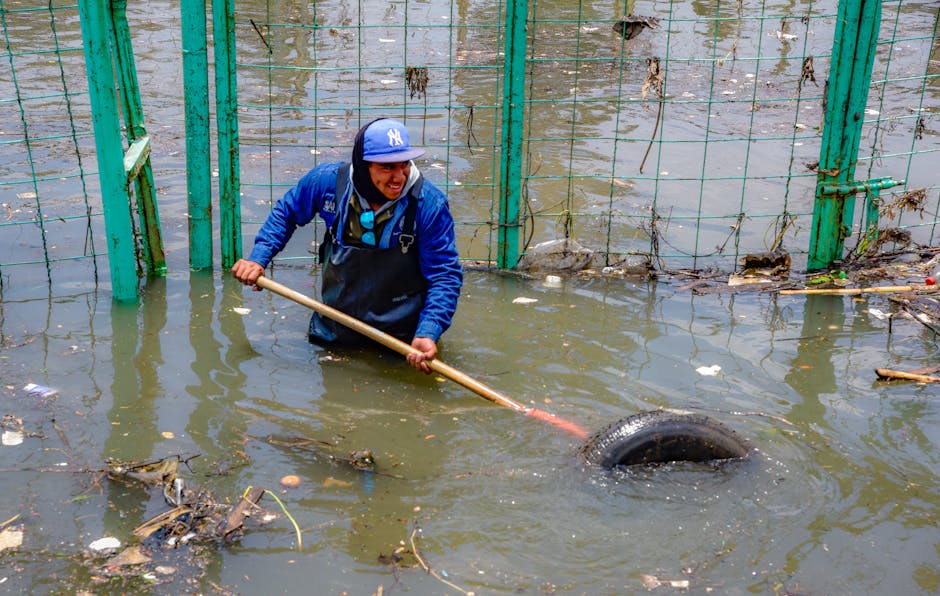
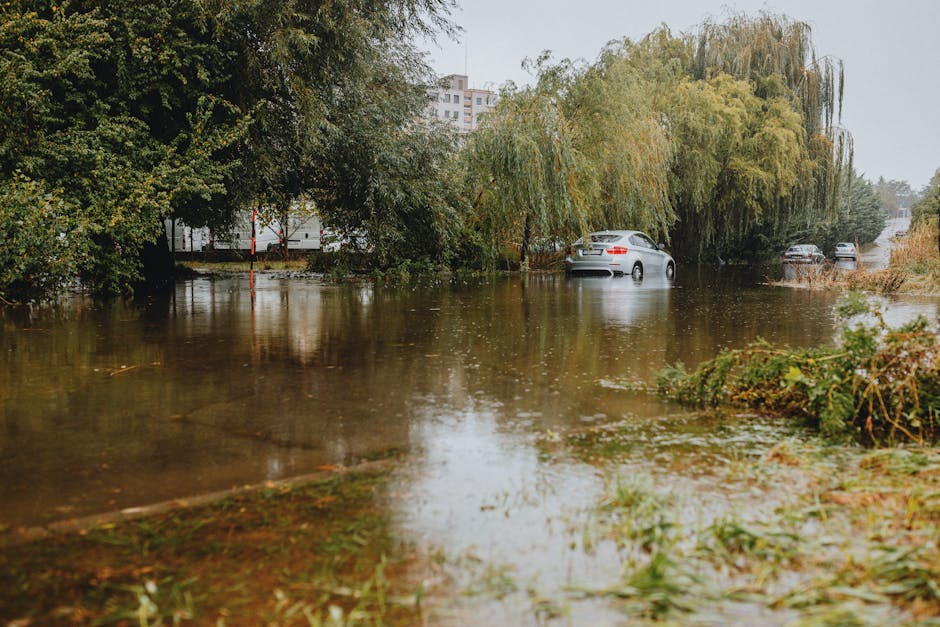
If water has suddenly flooded a room, leaked through a ceiling, or soaked into carpets and furniture, you do not have time to overthink it. Emergency water damage cleaning Northumberland Park N17 Haringey is about getting control quickly, limiting the spread, and stopping avoidable damage before it turns into something far more expensive and stressful. In a busy London home or business, even a "small" leak can become a bigger problem within hours. Damp underlay, warped boards, bad odours, mould risk, ruined upholstery... it escalates fast.
This guide explains what emergency water damage cleaning involves, how the process works, what to do first, and how to make sensible decisions under pressure. You will also find a practical checklist, a comparison of methods, and a plain-English explanation of what to expect if you need help in Northumberland Park and the wider N17 area. Let's face it, when water is spreading across the floor, clarity matters.
Table of Contents
- Why Emergency water damage cleaning Northumberland Park N17 Haringey Matters
- How Emergency water damage cleaning Northumberland Park N17 Haringey Works
- Key Benefits and Practical Advantages
- Who This Is For and When It Makes Sense
- Step-by-Step Guidance
- Expert Tips for Better Results
- Common Mistakes to Avoid
- Tools, Resources and Recommendations
- Law, Compliance, Standards, or Best Practice
- Options, Methods, or Comparison Table
- Case Study or Real-World Example
- Practical Checklist
- Conclusion
- Frequently Asked Questions
Why Emergency water damage cleaning Northumberland Park N17 Haringey Matters
Water damage is one of those issues that looks manageable at first glance and then quietly becomes a headache. A damp patch on the carpet may seem minor, but beneath the surface moisture can travel into the underlay, skirting, floor voids, and even adjacent rooms. In homes around Northumberland Park, where mixed property types can include flats, terraces, and older buildings, water can move in ways that are not always obvious. That is why emergency cleaning is less about the visible puddle and more about what you cannot see.
The urgency comes from three main risks. First, there is structural damage. Timber flooring can swell, laminate can lift, and plasterboard can weaken. Second, there is contamination risk. Not all water is equal, and a leak from a dishwasher, toilet, or overflowing appliance can bring debris or bacteria into the room. Third, there is the time factor. The longer moisture sits in fibres and materials, the harder it becomes to restore them cleanly.
A proper emergency response also protects the air you breathe. A lingering musty smell is often the first sign that moisture has spread into hidden materials. By the time that smell is obvious, the clean-up job is usually more involved. To be fair, most people do not notice the serious bits until the carpet feels damp underfoot the next day. That is exactly when fast action pays off.
Expert summary: Emergency water damage cleaning is not just drying what you can see. It is a controlled process of extraction, assessment, targeted cleaning, and drying designed to reduce long-term damage, odour, and contamination.
If you need a broader sense of how a professional cleaning company works and what standards matter, it can help to read the firm's about us information alongside its insurance and safety details. Those pages should give you confidence that the people responding are taking both the property and the process seriously.
How Emergency water damage cleaning Northumberland Park N17 Haringey Works
The exact process depends on the source of the water, the materials affected, and how long the water has been present. Still, the core workflow is usually the same: assess, isolate, remove water, clean, dry, monitor, and finish. It sounds simple. It never really is. But a structured approach keeps things under control.
1. Initial assessment
The first job is to identify where the water came from and whether it is still active. A leaking pipe, roof ingress, appliance fault, or overflowing bath all require slightly different treatment. A cleaner or technician will also check whether the water is clean, grey, or contaminated, because that changes the cleaning and safety approach.
2. Extraction of standing water
Any visible water needs removing quickly with suitable extraction equipment. This step matters because every minute of standing water increases the chance of spread. If the floor is heavily saturated, extraction may need to happen in stages. In some cases, furniture is moved carefully to prevent staining or further transfer into carpets and upholstery.
3. Cleaning and sanitising the affected area
Once the bulk water is gone, the area is cleaned using products and methods appropriate to the surface. Carpets, rugs, and upholstery need different treatment from hard flooring. For fabric items, it may also be necessary to address residue, marks, or odours. If a sofa or rug has taken on water, services like sofa cleaning, rug cleaning, or upholstery cleaning can be relevant once the area is stable enough for a proper finish.
4. Drying and moisture control
This is where patience matters. Even if the surface feels dry, the layers below may still hold moisture. Good practice is to use airflow and dehumidification until the damp level is genuinely under control. The aim is not just "dry enough for now"; it is dry enough to avoid hidden damage later.
5. Final inspection
A final check should look for any remaining damp patches, smell, staining, and surface distortion. In some situations, a follow-up visit is sensible because water can reappear as hidden moisture moves upward through the material. Annoying? Yes. Uncommon? Not really.
For home and business owners who need a fuller picture of practical service standards, it is also worth checking relevant policy pages such as health and safety policy and payment and security. Those are not just administrative pages. They help set expectations about how a responsible service is run.
Key Benefits and Practical Advantages
The biggest benefit of emergency cleaning is damage limitation. Once water has soaked into flooring or furnishings, every hour counts. A prompt response can reduce the likelihood of replacement costs, staining, odour build-up, and secondary problems such as mould growth.
There is also a practical benefit that people sometimes underestimate: peace of mind. When a room is wet, most people spend half the day worrying about what has spread where. A methodical clean-up removes that uncertainty. You get a clearer answer on what is salvageable, what needs further treatment, and what should be monitored.
Other advantages include:
- Faster return to normal use of the affected room
- Reduced risk of carpet delamination, warping, and lifting
- Better chance of saving soft furnishings and rugs
- Lower chance of persistent musty smells
- More controlled handling of contaminated or grey water
- Less disruption for households, tenants, or staff
In commercial settings, quick action can also protect continuity. Offices, small shops, and managed premises in Haringey often cannot afford to leave a room out of use for days. That is where a professional emergency clean becomes more than a tidy-up; it is a business continuity measure. If the incident affects a workplace, commercial carpet cleaning may be relevant once the initial water issue is under control.
Who This Is For and When It Makes Sense
Emergency water damage cleaning makes sense for anyone dealing with sudden water intrusion and wanting a proper clean-up rather than a quick mop and hope-for-the-best approach. That includes homeowners, tenants, landlords, letting agents, facilities teams, and business owners.
It is especially useful if:
- water has spread beyond a small puddle
- carpets, underlay, rugs, or upholstery are affected
- the source is unknown or intermittent
- the room smells damp or stale after the water is removed
- there has been a leak from a bathroom, kitchen, or appliance
- a ceiling leak has dripped onto soft furnishings below
- you need a prompt clean before guests, staff, or tenants return
Sometimes people wonder whether they should just keep opening windows and wait it out. Fresh air helps, yes, but it is rarely enough on its own. If moisture has entered a carpet backing or timber floor, surface drying alone can miss the problem entirely. And then a week later, you are dealing with a smell. Or worse, a soft patch underfoot that should not be there.
If the incident has also left marks on a carpet, a targeted stain removal treatment may be needed after drying. Water damage often leaves behind discolouration, tide marks, or a ring around the affected area. Bit annoying, but very fixable in many cases.
Step-by-Step Guidance
If you are dealing with a water incident right now, these steps are the sensible order of operations.
- Stay safe first. If water is near electrics, sockets, extension leads, or appliances, do not wade in blindly. Shut off power to the affected area if it is safe to do so.
- Stop the source. Turn off the water supply, close valves, or stop the appliance if possible. If the leak continues, cleaning will only be temporary.
- Remove loose items. Lift rugs, shoes, boxes, and anything that could stain or hold moisture. If it is heavy furniture, do not strain yourself. Better to move carefully than create a second problem.
- Blot and extract visible water. Use towels for small areas, but for larger incidents professional extraction is far more effective.
- Protect nearby surfaces. Place foil or plastic under furniture legs if needed, and keep damp items off delicate flooring.
- Assess what has been soaked. Carpets, underlay, skirting, curtains, and soft furnishings all behave differently. Moisture in curtains or upholstery can be easy to miss at first.
- Begin drying immediately. Air movement, dehumidification, and careful cleaning should start as soon as possible.
- Monitor for hidden damp. Check corners, edges, and the underside of affected items over the next 24 to 48 hours.
A simple rule of thumb: if the area still feels cool, smells slightly earthy, or looks darker than the surrounding material, assume there is still moisture in play. That is not drama. Just common sense.
For follow-up fabric care, a specialist steam carpet cleaning service may be useful once the area is properly dried and the cleaning stage is safe to complete. Not before. Timing matters.
Expert Tips for Better Results
Small decisions make a big difference in water damage cleaning. A few practical habits help protect the result.
- Act in layers. Remove water first, then clean, then dry. Doing everything at once usually muddles the process.
- Do not trap moisture. Avoid sealing damp carpets or rugs under plastic unless a drying professional has instructed you to do so.
- Watch edges and joins. Water often settles around skirting, thresholds, and under furniture feet.
- Keep an eye on smell. Smell is often the first sign that damp is lingering where the eye can't see it.
- Document the damage. Photos help if you need to explain the issue to a landlord, insurer, or property manager.
- Think beyond the floor. Curtains, sofas, mattresses, and other absorbent items can absorb moisture from splash or humidity. They may need separate care.
One thing we see quite often: people focus on the "wet patch" and forget the surrounding area. But water rarely behaves neatly. It creeps. Quietly. Sometimes annoyingly so. That is why checking adjacent rooms and walls can save a lot of trouble later.
If the incident has affected soft furnishings, pages such as curtain cleaning, mattress cleaning, and pet stain odour removal can be useful next-step references depending on what the spill or leak has touched.
Common Mistakes to Avoid
When a property is flooded or heavily damp, people often rush into the wrong fix. Totally understandable. Still, a few common mistakes can make the clean-up harder.
- Waiting too long. "I'll deal with it after work" is how minor water issues become bigger repairs.
- Using too much heat. Very hot air can damage fibres, set stains, or cause surfaces to dry unevenly.
- Scrubbing wet stains. This can push dirt deeper into carpet pile or spread contamination further.
- Ignoring underlay and edges. The surface may look okay while the base remains damp.
- Putting furniture back too soon. Heavy items can trap moisture and leave marks.
- Assuming one clean is enough. Some incidents need a repeat check or a second-stage clean once everything has dried properly.
There is also the "it looks dry so it must be dry" mistake. That one catches people out all the time. Surface appearance can be misleading, especially with thicker carpet or layered flooring.
Tools, Resources and Recommendations
For emergency water damage cleaning, the right tools matter more than people realise. You do not need every gadget under the sun, but you do need the correct equipment for the job.
| Tool or resource | What it helps with | Why it matters |
|---|---|---|
| Wet vacuum or extraction equipment | Removing standing water | Speeds up recovery and reduces spread |
| Dehumidifier | Pulling moisture from the air and materials | Helps stop hidden damp from lingering |
| Air mover or fan | Circulating air across surfaces | Supports quicker drying of carpets and furniture |
| Moisture checks | Identifying hidden damp | Useful because the surface can lie to you |
| Appropriate cleaning solutions | Treating residues, odours, and marks | Different materials need different products |
| Protective gloves and footwear | Personal safety during clean-up | Important when water may be contaminated |
If you are comparing services, look for clear communication, sensible drying advice, and a transparent approach to aftercare. The company's pricing and quotes page can help you understand how estimates are handled, while terms and conditions should tell you what to expect in practical terms. For many readers, that kind of clarity is the difference between confidence and hesitation.
And yes, if you are staring at a wet hallway at 7:15 in the morning with a kettle on and a towel in each hand, it is fair to say you probably do not want a long complicated process. You want the right process.
Law, Compliance, Standards, or Best Practice
Water damage clean-up in the UK is usually shaped more by best practice and safety than by one single rulebook. In practical terms, that means working carefully around electrics, treating contamination seriously, and using methods that protect both people and property.
For domestic and commercial settings alike, responsible practice should include:
- care around electrical hazards and damp sockets
- appropriate PPE when contamination is possible
- safe handling of cleaning chemicals
- careful documentation where insurers, landlords, or managing agents are involved
- proper ventilation and drying rather than surface-only cleaning
- clear communication about what can be restored and what may need replacement
If the affected property is rented or managed, the tenant, landlord, or agent may all have some role to play depending on the source of the water and the tenancy arrangement. It is usually sensible to notify relevant parties quickly and keep notes. Not because paperwork is glamorous. It absolutely is not. But because it helps everyone move faster when decisions are needed.
Reputable providers should also be clear about safety, data handling, and service expectations. Pages such as privacy policy, complaints procedure, and recycling and sustainability can signal how the business approaches responsibility beyond the immediate job.
Options, Methods, or Comparison Table
Not every water-damage incident needs the same level of intervention. Here is a simple comparison of common approaches.
| Method | Best for | Strengths | Limitations |
|---|---|---|---|
| Basic towel drying | Very small spills | Quick, cheap, immediate | Not enough for soaked carpet or hidden moisture |
| DIY ventilation and fans | Mild damp after a minor leak | Easy to start straight away | Can miss underlay, padding, and structural damp |
| Professional extraction and drying | Most moderate to serious incidents | Far more thorough, better for hidden moisture | Requires specialist attendance and equipment |
| Targeted restoration clean | When surfaces are wet but salvageable | Helps save carpets, rugs, and upholstery | May need follow-up drying or repeat inspection |
In real life, many jobs start with a basic response and end with professional treatment once the true extent becomes clear. That is normal. You do not have to know the final answer in the first ten minutes. You just need to keep the damage from spreading while you figure it out.
Case Study or Real-World Example
Here is a realistic example based on the kind of situation that happens in Northumberland Park all the time, especially in flats and mixed-use homes. A kitchen appliance leaks overnight. By morning, the water has run under a rug and into the adjacent hallway carpet. The surface feels damp, but not flooded. The family wipes it up, opens the window, and assumes the room will sort itself out.
By late afternoon the carpet edge still feels cool, and there is a faint sour smell near the skirting. That is the clue. The visible water is gone, but the underlay is still holding moisture. A more thorough clean-up removes the remaining water, treats the carpet fibres, checks the affected edge areas, and starts proper drying. The rug is assessed separately, because it has absorbed more than first thought. The result is not just a cleaner room, but a room that is genuinely dry.
It sounds small. It never feels small when it happens, though. And that is the point. Water incidents often look ordinary right up until they stop being ordinary.
Practical Checklist
Use this checklist when you need to act quickly after a water incident.
- Turn off the source of water if possible
- Check nearby electrics and keep clear if needed
- Remove rugs, cushions, and loose items
- Blot or extract visible water
- Open windows for airflow where safe
- Move furniture away from damp areas
- Check carpets, underlay, and edges for hidden moisture
- Look for smell, discolouration, or lifting
- Photograph the damage for records
- Arrange professional cleaning if the area is more than a minor spill
- Monitor the room over the next day or two
Quick tip: If a room looks fine but smells a little off by the evening, do not ignore it. That tiny smell often tells the truth before your eyes do.
Conclusion
Emergency water damage cleaning Northumberland Park N17 Haringey is about acting quickly, safely, and in the right order. The goal is not only to remove visible water, but to protect flooring, furniture, air quality, and the long-term condition of the room. A calm, methodical response saves time, money, and stress, especially when the damage affects carpets, upholstery, or other absorbent materials.
Whether you are dealing with a burst pipe, appliance leak, overfilled bath, or unexpected ceiling drip, the best result usually comes from fast assessment, proper extraction, and thorough drying. If the problem feels beyond a simple mop-up, that is your sign to take it seriously. Better to deal with it properly now than keep chasing hidden damp later.
Get a free quote today and see how much you can save.
And if you are in the middle of an awkward, soggy mess right now, take a breath. Sort the source, protect the room, and get help where it counts. You will feel the difference quickly.
Frequently Asked Questions
How quickly should emergency water damage cleaning start?
As soon as possible. The sooner water is extracted and the area is dried, the better the chance of avoiding hidden damage, odour, and staining. In many cases, the first few hours matter the most.
Can I just dry the room myself with a fan?
For a very small spill, maybe. But if water has soaked into carpet, underlay, or furniture, a fan alone is usually not enough. Hidden damp is the part people miss.
What types of water damage are the most serious?
Anything involving contaminated water, prolonged leaks, or water that has entered flooring layers can be serious. Ceilings, appliances, and bathrooms are common trouble spots because the damage can spread unnoticed.
Will water damage cleaning remove the smell?
Often, yes, if the source of the smell is moisture trapped in fibres or underlay. If odour remains after drying, further treatment may be needed. A proper check is always better than guessing.
Do I need professional help for a small leak?
If it is truly minor and only the surface got wet, maybe not. But if you are unsure how far the water travelled, or if the room still smells damp later, professional help is sensible.
Can carpets be saved after water damage?
Frequently, yes. It depends on the water source, how long the carpet stayed wet, and what is underneath it. Fast action improves the chances a lot.
What about rugs, sofas, and other soft furnishings?
These items can often be cleaned if they were not heavily contaminated and the fabric still responds well to treatment. Services such as rug cleaning and upholstery cleaning may be appropriate once the item has been assessed.
How do I know if the underlay is still wet?
It may feel cool, springy, or unusually soft, but the most reliable way is proper moisture checking. Surface dryness does not always tell the full story.
Should I move furniture back straight away?
No, not until the area is dry enough. Putting heavy furniture back too early can trap moisture, mark the floor, or cause the item to absorb damp from below.
Is water damage cleaning different for homes and businesses?
The principles are similar, but businesses usually need faster turnaround and more careful coordination. Offices, shops, and managed premises often require a more organised response to reduce downtime.
What if the water came from a ceiling leak?
That usually means the source may be elsewhere, so the issue should be investigated quickly. In the meantime, protect the area below and avoid using any damaged electrics nearby.
How do I choose a trustworthy provider?
Look for clear communication, sensible safety guidance, transparent pricing, and evidence that the company takes insurance and safety seriously. Helpful pages like pricing, terms, and insurance details can tell you a lot before you even make contact.