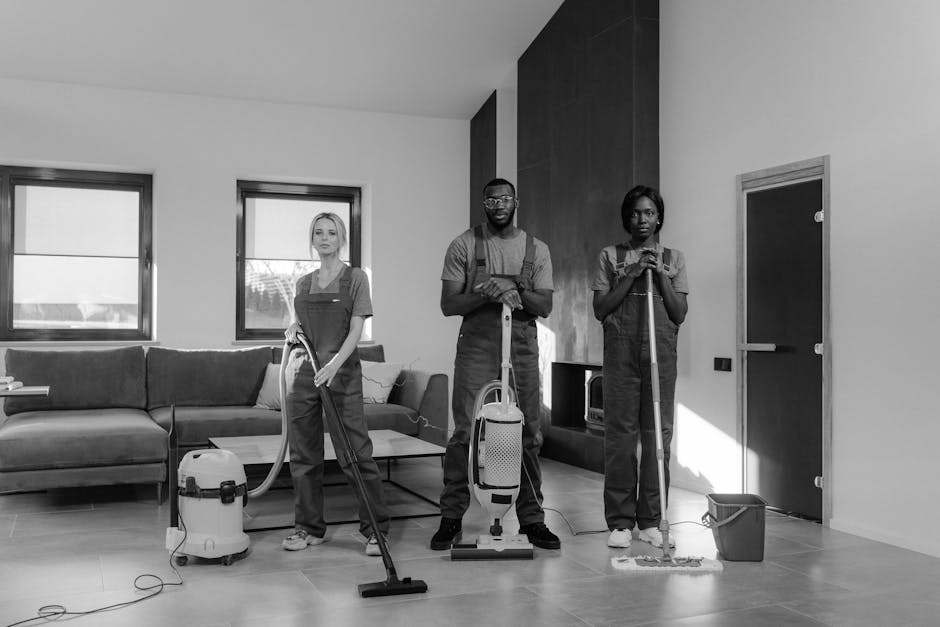
Customer success end of tenancy cleaning Seven Sisters Haringey
If you are moving out in Seven Sisters, you already know the pressure that comes with the last few days of a tenancy. Boxes everywhere, keys to hand back, and that nagging worry about whether the place will pass inspection. Customer success end of tenancy cleaning Seven Sisters Haringey is really about removing that stress and making the final clean work for you, not against you.
Done properly, end of tenancy cleaning is more than a quick tidy. It is a practical reset of the property so it looks cared for, smells fresh, and meets the level a landlord, letting agent, or inventory clerk is likely to expect. In real life, the difference often comes down to details: skirting boards, limescale in the bathroom, greasy cupboard handles, and the little marks on carpets that somehow always show up in daylight. We have all seen that moment, usually on a grey afternoon, when a room looks fine until the curtains are pulled back. A proper clean changes that.
This guide explains how the process works, what good customer success looks like, where people get caught out, and how to plan the job sensibly in Seven Sisters and the wider Haringey area. If you want a clean exit, fewer surprises, and a better chance of a smooth handover, you are in the right place.
Practical takeaway: the best end of tenancy clean is not just about making the property look presentable. It is about matching the expectations of the tenancy agreement, the inventory report, and the condition the property is supposed to be returned in.
Table of Contents
- Why Customer success end of tenancy cleaning Seven Sisters Haringey Matters
- How Customer success end of tenancy cleaning Seven Sisters Haringey Works
- Key Benefits and Practical Advantages
- Who This Is For and When It Makes Sense
- Step-by-Step Guidance
- Expert Tips for Better Results
- Common Mistakes to Avoid
- Tools, Resources and Recommendations
- Law, Compliance, Standards, or Best Practice
- Options, Methods, or Comparison Table
- Case Study or Real-World Example
- Practical Checklist
- Conclusion
- Frequently Asked Questions
Why Customer success end of tenancy cleaning Seven Sisters Haringey Matters
Let's face it: moving is already expensive, noisy, and mentally messy. By the time you get to the end of a tenancy, you are usually juggling removals, meter readings, forwarding addresses, deposit worries, and maybe one last trip to the builder's merchant for filler or touch-up paint. A thorough clean can feel like the one task that quietly decides whether the whole move-out ends well.
In Seven Sisters, where properties range from older terraces and conversions to flats with shared entrances, end of tenancy cleaning matters because presentation and consistency matter. Some homes show dust quickly. Others hold onto smells from cooking, pets, or damp winter air. A proper clean helps the property look cared for from the hallway to the final cupboard shelf.
The biggest reason it matters, though, is confidence. When the inventory clerk walks through the rooms, you want the place to feel settled and complete. Not perfect in a showroom sense. Just properly returned. There is a difference, and people notice it.
For tenants, this matters because deposit deductions often start with avoidable cleaning issues. For landlords and agents, it matters because a clean handover can make re-marketing faster and simpler. For anyone who has ever tried to scrub a hob at 10 p.m. while the kettle is packed in a box somewhere... well, you already know why professional-grade standards are helpful.
It is also worth separating general cleaning from end of tenancy cleaning. A weekly clean keeps things liveable. End of tenancy cleaning is more detailed and more systematic. It targets hidden grime, edge build-up, and those neglected spots that only show up when the room is empty. That difference is often where customer success begins.
How Customer success end of tenancy cleaning Seven Sisters Haringey Works
A good end of tenancy clean follows a room-by-room process rather than a "quick once-over and hope for the best" approach. The work usually starts with a survey of the property so the cleaner can judge the level of build-up, the materials involved, and any problem areas such as stains, limescale, mould spotting, grease, or pet odours.
From there, the cleaning plan is usually built around the actual condition of the home. That sounds obvious, but it is a major reason some cleans go well and others don't. A one-bedroom flat with light dust and a clean kitchen is not the same job as a family property with marked carpets, used upholstery, and a bathroom that has seen a lot of hard water.
In practice, the process often includes:
- dust removal from high and low surfaces
- kitchen degreasing and appliance detailing
- bathroom sanitising and limescale removal
- internal window and sill cleaning
- spot treatment for marks on walls, skirting boards, and doors
- vacuuming and deep cleaning of carpets or rugs where needed
- freshening upholstery, mattresses, curtains, or soft furnishings where appropriate
What makes the customer success angle important is not just the cleaning itself, but the follow-through. Clear communication, realistic expectations, arrival on time, and a final walkthrough all matter. If the person doing the work understands the property type, the urgency of the move-out, and the areas that are most likely to be checked, the whole experience becomes much smoother.
In our experience, a strong clean also takes note of the property's layout. Narrow hallways, boxed-in kitchens, old extractor fans, carpeted stairs, or delicate fabrics can all affect the approach. To be fair, that is where experience really shows. Anyone can spray and wipe. Not everyone knows how to handle a tired cream carpet without leaving a patchy finish.
If carpets or rugs are part of the handover risk, a focused service such as professional carpet cleaning can make a visible difference. For heavily used seating or fabric-covered chairs, upholstery cleaning may also be a sensible add-on. And if stains are a concern, targeted stain removal can be the bit that saves a room from looking tired.
Key Benefits and Practical Advantages
The value of end of tenancy cleaning is not abstract. It shows up in practical ways that matter during a move. Here are the biggest benefits, without the fluff.
- Better inspection readiness: rooms look finished, not half-managed.
- Reduced stress: you are not trying to deep-clean in the middle of moving furniture and arguing over cable boxes.
- Improved first impression: a clean kitchen or bathroom can change how the whole property is judged.
- Less chance of avoidable deductions: many deposit disputes begin with simple cleanliness issues.
- Faster re-let potential: landlords and agents can market the property sooner if it presents well.
- More consistent results: a structured clean is usually better than a rushed DIY effort the night before checkout.
There is also a less obvious benefit: it helps close the tenancy properly. Moving out can feel oddly unfinished, like leaving a conversation half done. A proper clean gives the property a sense of closure. It sounds sentimental, maybe, but it is true. You hand back the keys knowing you did your part well.
For properties with soft furnishings, carpets, or pets, the advantage can be even bigger. A room may look acceptable at a glance, then you notice an odour from the sofa or a patch on the rug. A service such as pet stain and odour removal or rug cleaning can improve the feel of the entire space, not just the item itself.
Who This Is For and When It Makes Sense
End of tenancy cleaning is for anyone who wants the property to be returned in a tidy, inspection-ready condition. That includes tenants leaving rented homes, landlords preparing for incoming occupants, letting agents managing turnover, and even relocators helping families move between homes. It is not just for "messy properties." Even well-kept homes often need more detail than a standard weekly clean can deliver.
It makes the most sense when:
- you are close to the check-out date and need a reliable finish
- the inventory listed specific cleanliness standards
- the property has carpets, upholstery, curtains, or rugs that show everyday wear
- there are stubborn marks in kitchens or bathrooms
- you want to reduce the chance of follow-up cleaning requests
- you simply do not have the time or energy to do everything yourself
It is also a smart move if the property has been lived in for a long time. Kitchens build up grease slowly, not all at once. Bathrooms gather residue. Window tracks get dusty. By the time you move out, some of those small things have become one big chore.
If the property has lots of fabric surfaces, a combined approach may be sensible. Curtains can hold dust and smell slightly stale after months of closed windows, especially in winter. In that case, curtain cleaning may help the room feel much fresher. Sofas and armchairs can also benefit from sofa cleaning, especially where upholstery has picked up spills or everyday body oils. Nothing dramatic. Just the usual signs of living.
Step-by-Step Guidance
If you want a clean move-out, the best approach is organised and simple. Here is a practical sequence that works well.
- Check the tenancy paperwork first. Look for cleaning clauses, inventory notes, and any specific requirements about carpets, appliances, or professional cleaning.
- Clear the property completely. End of tenancy cleaning works best when surfaces and floors are accessible. It is much easier to clean around an empty room than a half-packed one.
- Take photos before cleaning. This helps you track what was already there, which is useful if there is any later disagreement.
- Start with dry dirt. Dust, crumbs, hair, and loose debris should come out before any wet cleaning begins.
- Deep-clean the kitchen and bathroom. These rooms are usually checked most carefully.
- Tackle carpets, rugs, and fabric items. Spot-cleaning is helpful, but deeper treatment may be needed for a fresh finish.
- Detail the edges. Skirting boards, door frames, switches, and handles are easy to miss and easy to notice.
- Do a final smell and light check. Open windows, stand in each room for a minute, and look around at eye level. You would be surprised what shows up.
- Walk through the property with the same logic as an inspector. If you were checking this for the first time, what would catch your eye?
That final walkthrough is underrated. The room always feels different when the furniture is gone. More echoey. More honest, somehow. You notice the marks you ignored before. You also notice progress, which is reassuring.
If you are dealing with stubborn carpet marks, a methodical approach like steam carpet cleaning can be useful on suitable fibres. For fabric-covered furniture that has seen a lot of use, one focused pass of upholstery cleaning may do more than several rounds of general wiping.
Expert Tips for Better Results
A few small decisions can improve the result a lot. These are the kinds of things people often learn the hard way.
- Leave the hardest rooms for last: if the kitchen or bathroom gets messy again while you move, you are not cleaning them twice.
- Use the right products for the surface: a strong cleaner is not always a better cleaner. Some finishes dislike harsh chemicals.
- Work from top to bottom: dust falls. Clean high shelves, light fixtures, and ledges before floors.
- Deal with spots early: old stains are harder to lift once they have settled into fibre or grout.
- Ventilate the property: fresh air helps with odours and drying time, especially in cooler months.
- Keep one clean cloth for final touches: a last wipe of taps, handles, and mirrors can change the overall impression.
Another useful tip: do not forget awkward zones. Behind radiators, along cooker sides, under sinks, inside extractor covers. The hidden bits are where inspection friction often starts. Not glamorous, I know, but that is the job.
If you are cleaning a property with sensitive occupants in mind, you may also care about low-residue methods and safe handling. It can be worth reviewing the provider's health and safety policy and insurance and safety information so you know how they approach risk, equipment, and care on site.
Common Mistakes to Avoid
Most end of tenancy cleaning problems are avoidable. The pattern is usually the same: not enough time, not enough detail, or too much confidence in a quick wipe-down.
- Leaving the clean until moving day: once the furniture trucks are involved, everything takes longer.
- Ignoring the inventory standard: "looks okay to me" is not always the same as "matches what was agreed."
- Forgetting soft furnishings: carpets, rugs, and upholstery can hold the room back visually.
- Using too much product: sticky residue attracts dust and can leave surfaces dull.
- Skipping appliance interiors: ovens, fridges, and washing machines are classic problem areas.
- Not checking corners and edges: the small build-up often gets the final judgement.
- Assuming one clean suits every property: a studio flat and a family house need different levels of attention.
One of the quieter mistakes is underestimating odour. A room can look clean and still feel off if there is pet smell, food residue, or damp fabric. That is why targeted treatments matter. It is not about making the place smell like a perfume shop. Just clean, neutral, and calm.
Tools, Resources and Recommendations
You do not need a van full of gear to do a decent job, but you do need the right tools for the right task. A sensible end of tenancy clean usually relies on the basics first, then adds specialist treatment where needed.
| Area | Helpful approach | Why it matters |
|---|---|---|
| Kitchen | Degreaser, microfiber cloths, detail brushes | Helps remove built-up grease and food residue without scratching surfaces |
| Bathroom | Limescale remover, non-abrasive pads, dry cloth finish | Improves tap shine, tile finish, and overall hygiene |
| Floors and carpets | Vacuuming, spot treatment, steam cleaning where suitable | Removes embedded dirt and improves the room's presentation |
| Upholstery | Fabric-safe cleaning methods, odour treatment | Freshens sofas and chairs without damaging the material |
| Soft furnishings | Gentle dust removal or specialist cleaning | Prevents stale-looking finishes in living spaces and bedrooms |
For many properties, a combination of general cleaning and specialist services gives the best outcome. If the home has valuable rugs, for example, rugs can be cleaned separately rather than treated like ordinary floor coverings. That is often the safer and neater option.
For business or shared-occupation properties, a more commercial mindset helps too. You may want the same standard of presentation you would expect from a professional space, especially if the property turns over quickly. In those cases, commercial carpet cleaning can be relevant where heavy footfall has left the floor looking tired.
If you are comparing providers, ask simple, practical questions: What is included? What happens if a stain does not lift fully? Are delicate materials treated separately? Is payment secure? Those questions are not fussy. They are sensible.
Law, Compliance, Standards, or Best Practice
End of tenancy cleaning sits in a practical space rather than a heavily regulated one, but it still intersects with tenancy agreements, deposit expectations, health and safety, and standard property management practice in the UK. So while you do not need to become a legal expert, it helps to understand the basics.
The key point is this: the cleaning standard is usually guided by the tenancy agreement, the inventory, and what is reasonable for the condition of the property at handover. A tenant is generally expected to return the property in the agreed state of cleanliness, allowing for fair wear and tear. That phrase matters. Wear and tear is not the same as neglect.
From a best-practice point of view, a professional cleaner should work safely, use suitable products, and avoid damaging surfaces. That is where service transparency matters. A company that is clear about terms and conditions, payment and security, and privacy usually gives you a better sense of how it handles customer care as well.
Sustainability is another growing norm, even when it is not the main legal issue. Many customers now prefer cleaning methods that avoid unnecessary waste or harsh residue. If that matters to you, it is worth checking a provider's recycling and sustainability approach. Small detail, yes. But these days small details add up.
And if something goes wrong, there should be a straightforward way to raise it. That is why a visible complaints procedure is a useful trust signal. Nobody wants to use it. Still, it is reassuring to know it exists.
Options, Methods, or Comparison Table
Different properties need different approaches. Here is a simple comparison to help you decide what makes sense.
| Option | Best for | Strengths | Limitations |
|---|---|---|---|
| DIY end of tenancy clean | Small, lightly used properties | Lower immediate cost, full control | Time-consuming, easy to miss detail, may lack specialist equipment |
| General professional cleaning | Properties needing a solid overall refresh | Efficient, consistent, less stress | May not fully resolve heavy stains or problem fabrics |
| Targeted add-on cleaning | Homes with carpets, sofas, rugs, curtains, or mattresses | Better for visible wear and odour issues | Requires deciding which items need extra attention |
For most people, the sweet spot is somewhere between full DIY and a completely specialist-heavy job. If the home is relatively clean, a focused professional clean may be enough. If the carpets are dull, the sofa is marked, and the curtains have absorbed years of everyday life, then a more layered approach is wiser.
Honestly, the right option is the one that matches the property rather than your pride. Pride is lovely, but it does not remove limescale. Bit rude of it, really.
Case Study or Real-World Example
Picture a two-bedroom flat near Seven Sisters where the tenant has lived there for a couple of years. The property is not filthy. It is just lived in. There are cooking marks around the hob, a slight odour in the living room, dusty skirting boards, and a pale carpet that has lost some brightness near the sofa.
The tenant starts with the kitchen and bathroom, but after a couple of hours it becomes clear that the detail work is going to take longer than expected. The oven still needs attention, the shower screen has a thin film of limescale, and the lounge carpet looks patchy under daylight. At that point, the tenant decides to combine general cleaning with specialist help for the floor and soft furnishings.
The result is not magic. It is just organised. The property smells cleaner, the living room looks lighter, and the kitchen feels inspection-ready rather than rushed. The tenant leaves with less anxiety, and the handover feels straightforward instead of awkward.
That is really what customer success means in this context. Not perfection. Not theatre. Just a handover that goes smoothly because the cleaning was planned properly and matched the reality of the property.
Practical Checklist
Use this before you hand the keys back.
- All personal items removed from every room
- Kitchen degreased, appliances cleaned inside and out
- Bathroom descaled and sanitised
- Floors vacuumed and mopped where suitable
- Carpets checked for spots, marks, and odour
- Rugs, sofas, and upholstery cleaned if needed
- Skirting boards, switches, handles, and door frames wiped down
- Windows, sills, and visible glass cleaned
- Bins emptied and fresh liners added if requested
- Light switches, plug sockets, and tricky corners checked
- Final walkthrough completed in daylight if possible
- Photos taken after cleaning for your records
If that list feels long, that is because end of tenancy cleaning is a detail job. Shortcuts tend to show. Still, once the home is empty, the job becomes much easier than it first looks.
Need a quick reminder? The less clutter left behind, the better the finish.
Conclusion
Customer success end of tenancy cleaning Seven Sisters Haringey is about more than getting a property to look tidy for an hour. It is about creating a clean, calm handover that reduces stress and supports a smooth move-out. When the work is planned properly, the rooms feel fresher, the details are handled, and the final inspection becomes much less intimidating.
For tenants, that means better peace of mind. For landlords and agents, it means a more presentable property and fewer delays. For everyone involved, it means the end of the tenancy can feel like an ending rather than a scramble. And that is worth quite a lot, really.
If you want to compare options, understand the likely scope, or plan a cleaner handover in Seven Sisters, start with the property's condition and work from there. Good cleaning is never just about wiping surfaces. It is about reading the room, quite literally.
Get a free quote today and see how much you can save.
Frequently Asked Questions
What is customer success end of tenancy cleaning in Seven Sisters Haringey?
It refers to end of tenancy cleaning planned and delivered in a way that helps the customer achieve a smooth handover, usually with less stress, better presentation, and fewer avoidable issues at inspection.
How is end of tenancy cleaning different from regular house cleaning?
Regular cleaning keeps a home tidy day to day. End of tenancy cleaning is more detailed and focuses on the condition the property is returned in, including hidden grime, edges, appliances, and problem spots.
Do I need professional cleaning to pass a move-out inspection?
Not always, but professional cleaning can be very helpful if the property has carpets, stains, odours, or detailed areas that are hard to finish properly on your own. It depends on the property and the expected standard.
How far in advance should I arrange an end of tenancy clean?
Ideally, book it once your moving date is confirmed and the property is mostly empty. Leaving it too late makes the job harder and can leave less time for touch-ups.
What areas are usually checked most closely?
Kitchens, bathrooms, floors, skirting boards, window areas, and any visible stains or odours are commonly checked. In many homes, those areas carry most of the inspection pressure.
Can carpets and upholstery be cleaned as part of the move-out process?
Yes, and often that is a smart move. If carpets, sofas, or chairs show wear, specialist cleaning can improve the overall appearance and help the property feel properly refreshed.
What if there are pet smells or stains?
Pet issues need targeted treatment rather than a general wipe-down. Odours and stains often sit in fabric and carpet fibres, so a focused approach is usually more effective.
Will cleaning remove every stain?
Not always. Some marks are permanent or only partially treatable, especially if they have been there a long time. A good cleaner should explain what is realistic before starting.
How long does an end of tenancy clean usually take?
It depends on property size, condition, and whether carpets or upholstery are included. A lightly used flat may be quicker than a larger home with heavy build-up and soft furnishings.
What should I do before the cleaner arrives?
Remove all belongings, clear cupboards if required, and make sure the property is accessible. If the clean is happening after moving out, that usually gives the best results.
Is end of tenancy cleaning worth it if the property is already fairly tidy?
Often, yes. Even tidy homes can have hidden marks, limescale, dust in corners, and surface build-up that only becomes obvious once everything is empty.
How do I choose a cleaning service I can trust?
Look for clear communication, sensible scope, secure payment options, visible terms, and practical safety information. It helps if the provider also explains how they handle complaints, care, and specialist cleaning needs.